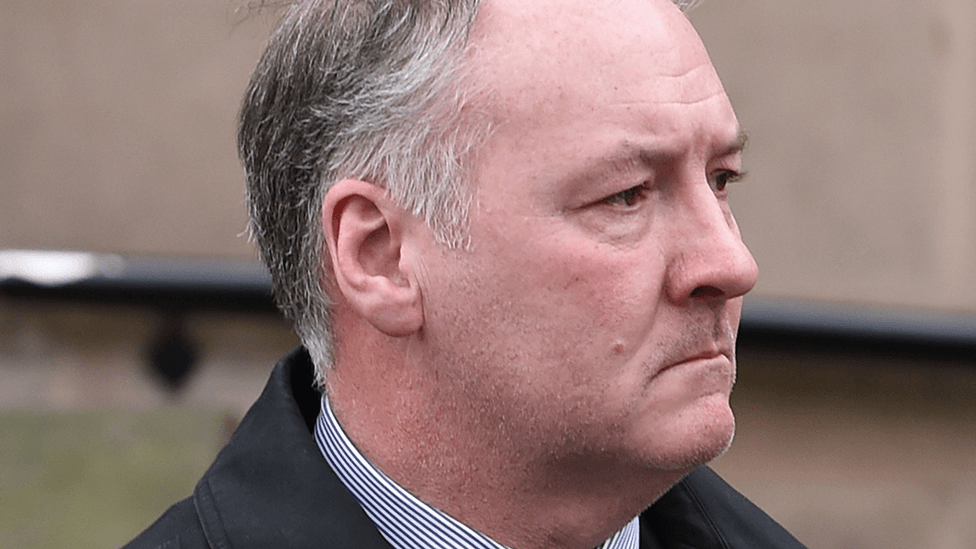
A court has heard that jailed surgeon Ian Paterson may only have to give evidence three times a month during the long-running inquests into the deaths of 68 of his former patients.
Paterson is serving a 20-year prison sentence for wounding patients through botched and unnecessary operations. He has been appearing by video link from jail since the inquests began in October 2024.
At a hearing on Wednesday, the coroner examined an application Paterson made in June requesting to attend only two inquests per month. Judge Richard Foster said he had "agreed in principle" that Paterson could have 10 days to prepare between giving evidence, and said he would give his decision in writing later.
Health and age cited as reasons
At the June hearing, which examined the death of 29-year-old Tracey Taylor from Solihull, Paterson cited "physical and mental health reasons" for his request. He added that he was almost 70 years old and could not handle more than two inquests a month. He also stated he did not want to use his limited resources after being denied legal funding.
Families express frustration
After Wednesday's hearing, Shirley Moroney, whose sister Marie Pinfield's death is among those being examined, told the BBC the decision was upsetting. "Any concession to him feels like we're just giving into him all the time, like he's holding all the cards," she said. "It hurts; it feels as though we are allowing the tail to wag the dog."
Moroney's sister was a child protection officer for West Midlands Police who died in October 2008 of metastatic breast cancer.
Scale and timeline of inquests
Wednesday's hearing addressed how various topics are listed and timetabled. Court documents provisionally suggest the hearings could stretch into mid-2028 in a "worst case" scenario, though matters may progress more quickly.
Judge Foster described the inquests as "unprecedented in terms of scale, complexity and volume of documents".
Paterson was jailed in 2017 and is due to be released on licence in May 2027 after serving half of his sentence. The majority of his patients lived in Birmingham, Warwickshire and Staffordshire.